
Before You Book
Every early learning service is unique, and choosing professional development that aligns with your values, team and goals matters. This page has been created to provide additional information about Amdora Therapies' professional development programs, including who the training is for, what makes the experience different, the outcomes educators can expect, and answers to commonly asked questions.
Whether you are exploring options for educator wellbeing, emotional regulation, emotional literacy, reflective practice or children's wellbeing, we hope this information helps you make an informed decision for your team.
Who is This Training For
Common Challenges This Training Helps Address
Amdora Therapies' professional development is designed for educators, teachers and leaders working within kindergarten, childcare and early learning settings who are seeking a deeper understanding of children's emotional development, wellbeing and behaviour.
The training is particularly valuable for early childhood professionals who want to strengthen their understanding of emotional regulation, emotional literacy, attachment and relationship-based practice while developing practical strategies that can be implemented within their everyday environments.
Suitable for:
Early Childhood Teachers
Kindergarten Teachers
Educators
Educational Leaders
Centre Directors
Inclusion Support Educators
Entire Early Learning Teams
Whether you are new to these concepts or looking to deepen existing knowledge, the training offers opportunities for both personal and professional growth.
Many educators and early learning teams are looking for ways to better understand children's emotions, strengthen relationships and create environments where both children and adults can thrive.
This training explores common challenges such as:
Supporting children's emotional regulation
Understanding the meaning behind behaviour
Building emotional literacy and resilience
Strengthening educator wellbeing
Creating emotionally safe learning environments
Supporting inclusion and diverse learning needs
Enhancing team connection and workplace culture
Developing reflective practice and self-awareness
Supporting children's social-emotional development and school readiness
Rather than focusing solely on behaviour management strategies, the program encourages educators to explore the emotional, relational and developmental factors that influence children's experiences, behaviour and wellbeing.
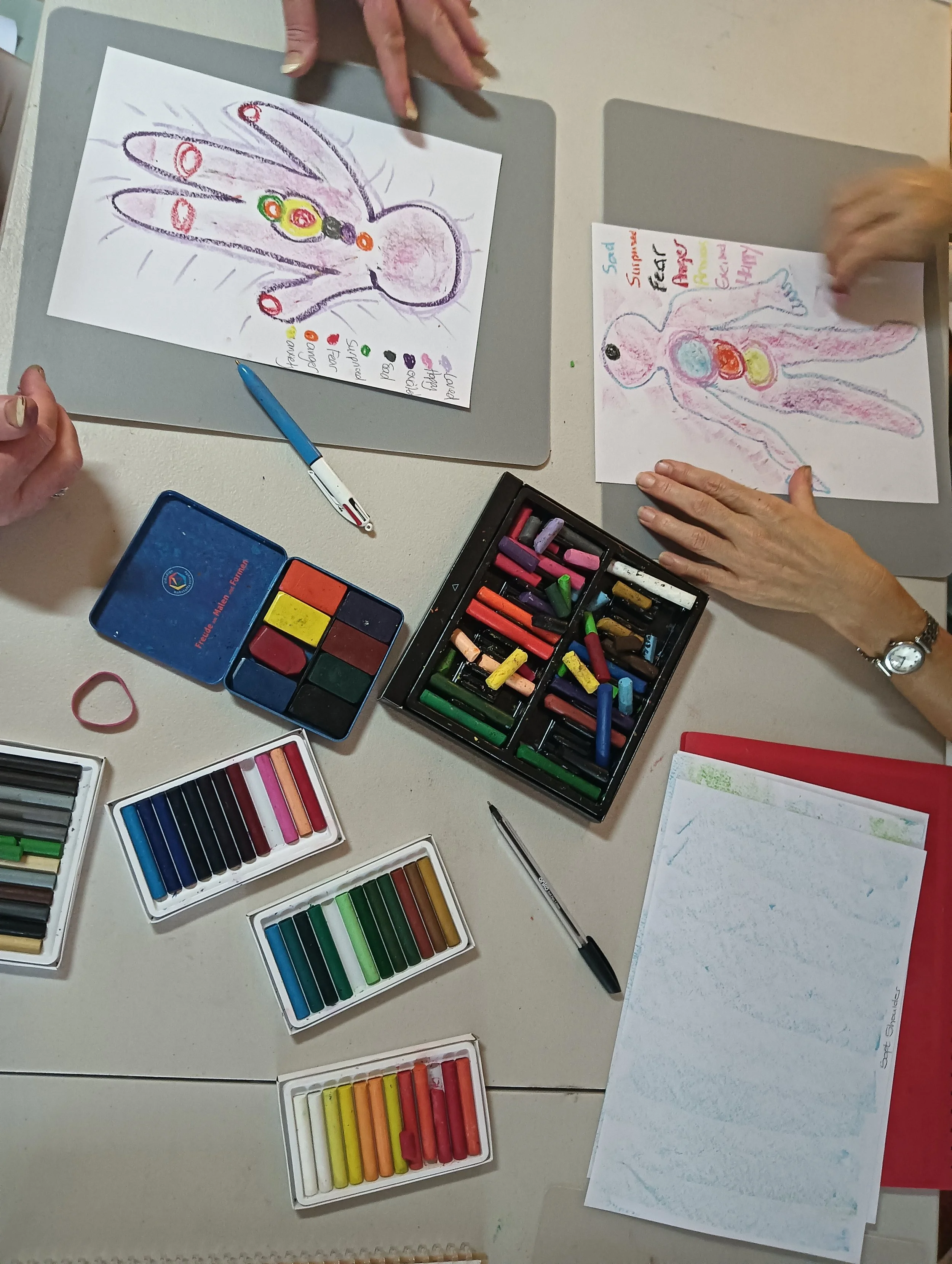
Through experiential learning, reflection and artistic processes, participants gain practical insights, new perspectives and relationship-based strategies that can be applied within everyday early childhood practice.
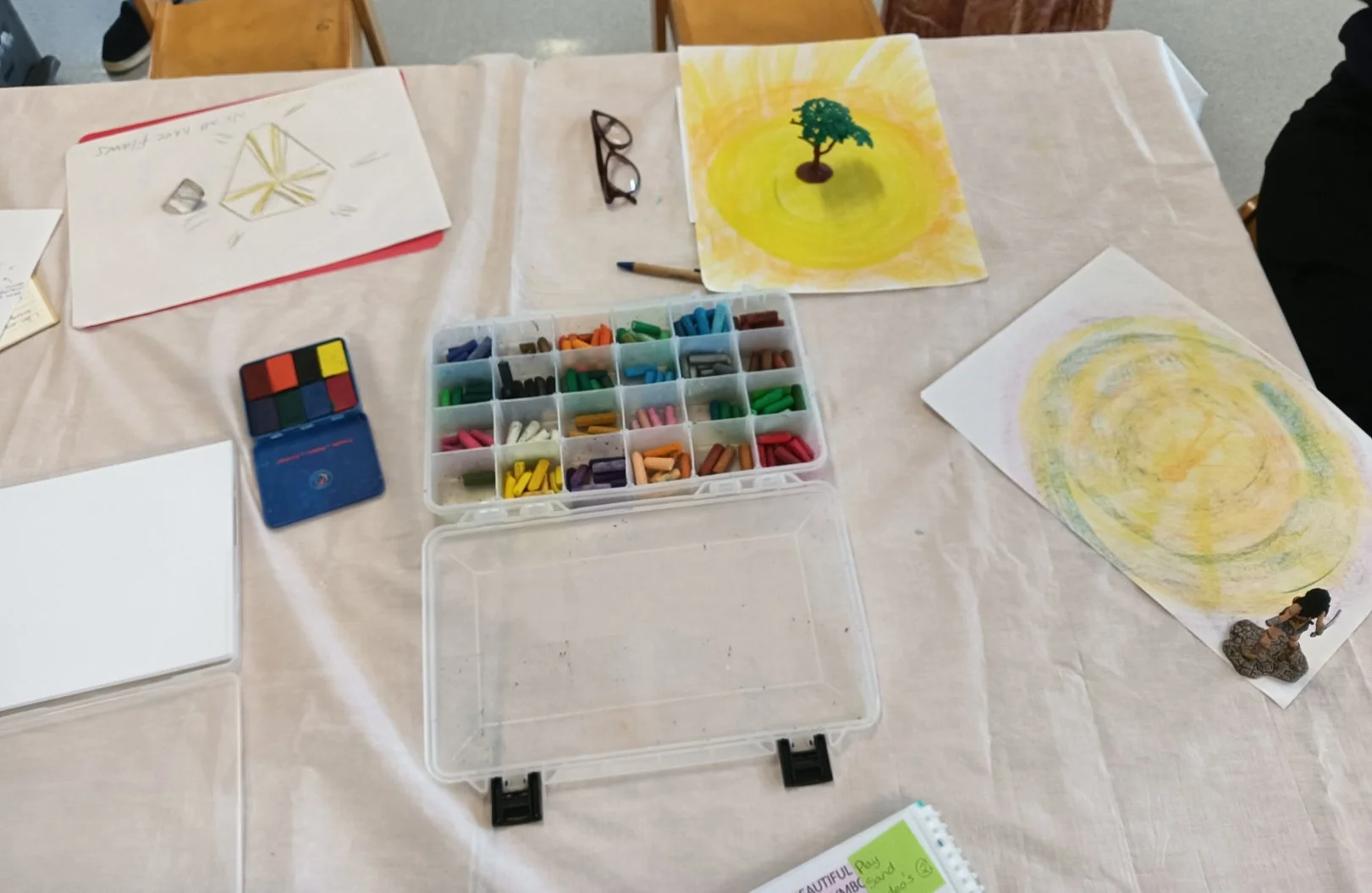
Unlike many professional development programs that focus primarily on theory, Amdora Therapies offers an experiential learning approach that invites educators to actively engage with the concepts being explored.
Through artistic processes, reflection and discussion, participants develop greater self-awareness, emotional literacy and understanding of the emotional experiences that shape behaviour, relationships and learning. Rather than simply learning about these concepts, educators experience them firsthand, creating deeper and more meaningful learning.
The training also introduces attachment-informed perspectives that help educators better understand the underlying drivers of children's behaviour. Participants explore practical, relationship-based approaches that foster emotional safety, connection and engagement within early learning environments.
By combining experiential learning, artistic therapies, emotional literacy and attachment-informed practice, the program builds educator capacity in a way that is both personally meaningful and professionally relevant.
Participants leave with greater self-awareness, practical strategies and increased confidence in creating emotionally safe, inclusive and responsive environments for children.
What Makes This Training Different?
Many early childhood professionals are seeking practical ways to support children's wellbeing while navigating increasingly complex learning environments.
This training helps educators explore:
Children's emotional regulation
Emotional literacy and expression
Understanding behaviour
Building stronger relationships with children
Supporting children's wellbeing and resilience
Educator well-being and burnout prevention
Team connection and workplace culture
School readiness
Reflective practice
Creating inclusive learning environments

Outcomes for Educators and Teams
Amdora Therapies' professional development is designed to create meaningful learning experiences that support both individual educators and the wider team. Through experiential learning, reflection and practical application, participants develop a deeper understanding of themselves, the children they support, and the relationships that shape learning, wellbeing and development.
Following participation in the training, educators and teams often experience:
Greater understanding of emotional regulation and emotional literacy
Increased confidence in supporting children's emotional wellbeing
Stronger understanding of behaviour and its underlying drivers
Enhanced self-awareness and reflective practice
Improved educator wellbeing and professional resilience
Stronger relationships with children, families and colleagues
Increased empathy, connection and team cohesion
Practical strategies that can be implemented immediately
Greater capacity to create emotionally safe and inclusive learning environments
Many teams also describe developing a shared language and understanding around emotions, relationships and wellbeing, supporting more consistent, connected and responsive practice across their service.
Outcome: Educators leave feeling informed, inspired and equipped with practical tools that strengthen both their professional practice and their capacity to support children's wellbeing, emotional development and sense of belonging.
What Kindy Directors Are Asking
-
Professional development for early childhood educators helps strengthen the knowledge, skills & confidence needed to support children's learning, wellbeing and development. Training opportunities can focus on children's emotional wellbeing, educator wellbeing, inclusive practices, behaviour guidance, school readiness, social-emotional development and therapeutic-informed approaches.
At Amdora Therapies, professional development is designed to provide practical, evidence-informed strategies that educators can apply immediately within kindergarten, childcare and early learning settings. Training topics may include:
Emotional regulation and co-regulation
Children's wellbeing and resilience
Inclusive practices and neurodiversity support
Social-emotional development
School readiness
Therapeutic-informed practice
Art-based and creative approaches to learning and wellbeing
Educator wellbeing and reflective practice
Supporting children through transitions and change
Building connected and responsive learning environments
Professional development can be tailored to the unique needs of individual services, teams and communities, helping educators create nurturing, inclusive and emotionally supportive environments where children and adults can thrive.
Outcome: Educators gain practical tools, deeper understanding and renewed confidence to support children's wellbeing, learning and development in meaningful and sustainable ways.
-
Educator wellbeing is not simply about self-care activities or managing stress. It is about building the emotional awareness, self-regulation, reflective capacity and relational skills that allow educators to sustainably care for others while also caring for themselves.
At Amdora Therapies, wellbeing training is delivered through experiential and reflective learning processes. Educators don't just learn about wellbeing—they experience it. The way our workshops are facilitated provides an opportunity for participants to slow down, reconnect with themselves, increase self-awareness and develop a deeper understanding of the relational dynamics that occur within early childhood settings.
Grounded in therapeutic-informed practice, our professional development may explore:
Emotional regulation and co-regulation
Reflective practice and professional resilience
Self-awareness and personal wellness
Building emotionally safe and connected teams
Compassion, empathy and professional relationships
Creating psychologically safe workplace cultures
Some experiential processes are designed specifically for educators rather than children. These experiences help build empathy, deepen self-understanding and strengthen emotional awareness within teams. As educators gain insight into their own experiences, they often develop greater compassion, connection and understanding towards one another. This can contribute to more supportive team relationships, stronger workplace culture and a greater sense of professional wellbeing.
Outcomes for Educators and Teams
Participants often leave with practical strategies for emotional regulation, a deeper understanding of relational practice, greater awareness of personal wellbeing needs and renewed confidence in their professional role. Teams develop a shared language around wellbeing, empathy and connection, helping to create healthier and more sustainable early childhood environments.
-
Children develop emotional regulation through safe, supportive relationships with the adults around them. Effective professional development helps educators understand the factors that influence behaviour, build emotional awareness, and respond to children with confidence, empathy and understanding.
At Amdora Therapies, our training explores:
Emotional regulation in early childhood
Understanding the meaning behind behaviour
Building emotional literacy and resilience
Relationship-based approaches to supporting children
Therapeutic-informed and trauma-aware practice
Creating emotionally safe learning environments
Practical strategies for wellbeing, inclusion and school readiness
Through experiential and reflective learning, educators gain greater insight into their own responses, strengthen professional confidence, and develop practical tools they can use immediately within their early learning environment.
Outcome: Educators leave with a deeper understanding of children's emotional needs, practical strategies to support regulation, and increased confidence in creating calm, connected and inclusive learning environments.
-
Artistic therapies support child wellbeing by creating opportunities for children to express, explore and better understand their inner experiences in ways that do not rely solely on words. Through creative processes and the use of various art mediums, children can safely engage with emotions, thoughts, experiences and relationships at their own pace.
At Amdora Therapies, the focus is not on creating artwork or developing artistic skill. The creative process becomes a pathway for building emotional literacy, self-awareness and emotional intelligence. Through guided artistic experiences, children learn to recognise emotions, understand how they emerge, and develop greater confidence in navigating their feelings.
As children engage in creative expression, they are provided with opportunities to:
Build emotional awareness and emotional vocabulary
Develop self-understanding and self-expression
Strengthen confidence and resilience
Explore feelings in a safe and supportive way
Enhance communication and relationship skills
Foster curiosity, reflection and personal growth
Artistic therapies recognise that emotions are not only thoughts we have but experiences we feel. Through creative exploration, children can begin to notice what emotions feel like, where they may be held, and how they can move through them in healthy and constructive ways.
Outcome: Children develop greater emotional awareness, emotional intelligence and wellbeing while engaging in meaningful, creative experiences that support their growth, connection and sense of self.
-
Yes. Amdora Therapies' professional development is designed to complement the principles, practices and learning outcomes of the Early Years Learning Framework by supporting children's wellbeing, identity, belonging, learning and development through relationship-based and therapeutic-informed approaches.
Our training explores topics such as emotional regulation, wellbeing, inclusion, social-emotional development, reflective practice and helping educators translate theory into meaningful everyday practice.
Outcome: Educators leave with practical strategies, increased confidence and deeper understanding to support children's wellbeing, learning and development while strengthening alignment with the EYLF in their daily practice.
-
Yes. Amdora Therapies' professional development is designed for whole educator teams and early learning services seeking a shared approach to wellbeing, emotional development and reflective practice.
While our standard pricing is based on teams of up to six participants, training can be adapted for larger groups. Simply let us know the size of your team and we will provide a tailored quote.
Training experiences create opportunities for educators to learn together, develop a common language and deepen their understanding of the emotional and relational factors that influence children, teams and workplace culture. Many services find that participating as a team strengthens connection, empathy and collaboration within the workplace, creating benefits that extend well beyond the training itself.
Programs are delivered as comprehensive learning experiences, with a 16-hour format recommended to allow for meaningful reflection, integration and practical application. An 8-hour option may be available upon request.
Designed specifically for kindergartens, childcare centres and early learning services, our training supports educator wellbeing, emotional regulation, reflective practice and positive team culture.
-
Yes. While all training is grounded in Amdora Therapies' therapeutic-informed and experiential approach, content can be tailored to reflect the unique goals, challenges and priorities of your service.
Training can incorporate topics such as educator wellbeing, emotional regulation, children's wellbeing, reflective practice, emotional literacy, school readiness and relationship-based approaches to supporting children.
To ensure participants have sufficient time to engage deeply with the learning process, programs are typically delivered as a 16-hour professional development experience. An 8-hour workshop format may be available by arrangement where appropriate.
The goal is to provide meaningful, practical and sustainable learning that can be integrated into everyday early childhood practice.
-
Amdora Therapies' professional development supports educators to better understand the emotional, relational and developmental needs of all children, helping them create more inclusive and responsive learning environments.
Training explores concepts such as attachment, emotional regulation, emotional literacy and relationship-based practice in accessible, practical ways. Understanding attachment patterns can provide valuable insights into why children may respond differently to challenges, transitions, relationships and learning environments.
Throughout the program, educators are introduced to new perspectives on the drivers behind behaviour through the lens of attachment. Participants develop a deeper understanding of children's underlying needs and are provided with practical, relationship-based strategies that support connection, engagement and a return to emotional safety.
Educators are introduced to supportive approaches that help foster emotional safety, connection and engagement for children with a range of developmental and regulation needs, including those who may experience challenges with emotional regulation, sensory processing or social connection.
While this training is not a specialist neurodiversity program, many educators find the attachment-based insights and relational strategies valuable in supporting a wide range of children and learning needs.
Outcome: Educators develop greater confidence in recognising individual needs, strengthening relationships and creating learning environments where every child feels safe, supported and valued.
Participant Feedback:
"This training really dives deep into the interplay of emotions and behaviours and how we as educators can support our little ones to be heard and seen through artistic expression." — Kindergarten Educator
And
"This program was an amazing experience not only to learn about how we could support children's emotional regulation using artistic expression, but to build our own capacity to understand our emotions as part of this relationship." — Kindergarten Director